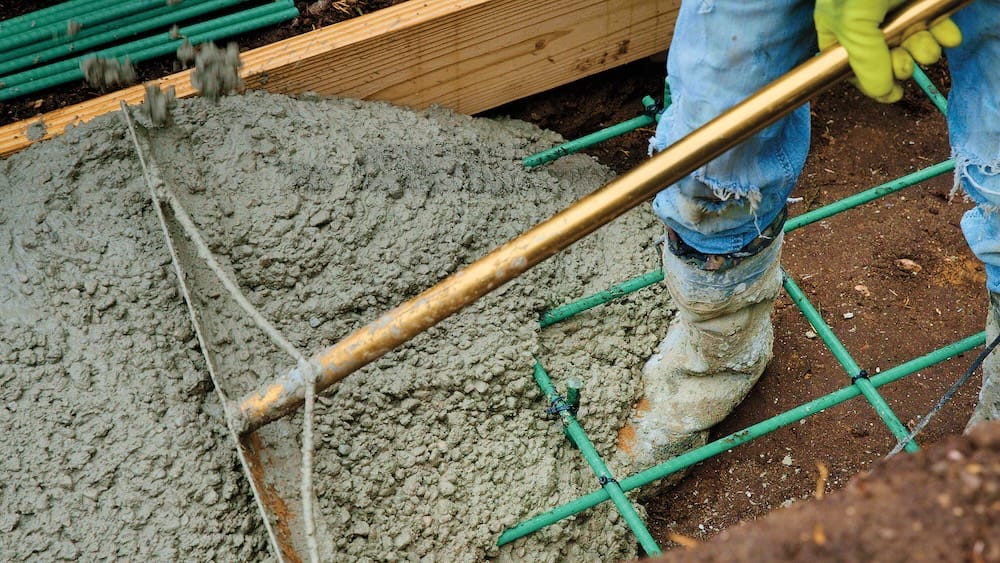
How to Cut Fiberglass Rebar (GFRP) | Step-By-Step Guide
If you’ve ever wrestled with heavy steel rebar or needed specialized tools just to make a simple cut, fiberglass rebar (GFRP) offers a noticeable shift in jobsite efficiency.
Its lightweight composition makes handling and installation far easier—especially in tight or elevated spaces—and the cutting process is refreshingly straightforward (the topic of today’s article).
However, GFRP is still a composite material, so the right approach matters.
In this article, our experts at Mateenbar® will walk you through how to safely and effectively cut fiberglass rebar—what tools to use, what to avoid, and why technique is key to preserving performance.
It’s crucial that you cut correctly so you don’t damage the material.
Can You Cut Fiberglass Rebar?
This might be obvious by now, but before going through the steps, we want to definitively say: yes, you can cut fiberglass rebar, like Mateenbar’s® Greenbar2X® and Mateenbar60™. It’s actually easier and safer than cutting steel rebar for a lot of people.
You just need the right tools and steps to follow (all of which we’ve provided below).
How to Cut Fiberglass Rebar (5 Steps)
The following five steps represent the best way to cut fiberglass rebar for optimal performance.
While it is a seamless process for most, you’ll want to follow these steps closely — so you stay safe, and the material stays in good condition.
Step 1: Grab the Right Tools and Equipment
Unlike steel, GFRP rebar doesn’t require special cutting equipment. You can use basic tools to cut fiberglass rebar, although the type of tool you use will differ depending on your environment.
Here are a few examples:
- Diamond-blade circular saw (ideal for fast, clean cuts)
- Portable chop saw with an abrasive or diamond blade (great for job sites)
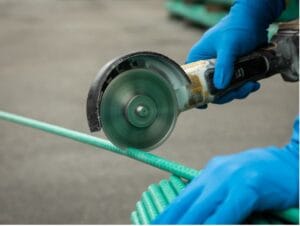
- Angle grinder with a diamond or abrasive disc (versatile and compact—great for tight spaces and quick adjustments)
- Carbide-tipped hacksaw (best for light-duty or precision cuts)
- Band saw (for shop environments)
Note: Avoid using heat-based tools such as torches, as these can compromise the structural integrity of the rebar. We generally say you can use anything but a torch to cut fiberglass rebar.
We also recommend using Personal Protective Equipment (PPE), such as the following:
- Safety goggles or face shield
- N95 dust mask or respirator
- Cut-resistant gloves (OSHA recommends using gloves when cutting fiberglass rebar)
- Long sleeves and pants
- Ear protection (when using power tools)
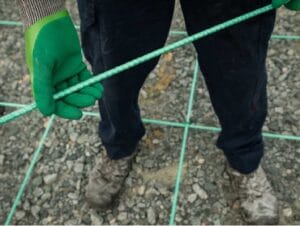
The product in this photo is Greenbar2X®, our reinforcement for residential and light industrial projects.
Step 2: Measure and Mark Your Cut
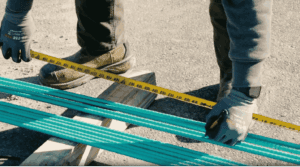
Once you have your tools, you’re ready to measure.
Begin by using a permanent marker or masking tape to clearly mark where you want to cut the rebar.
Double-check all measurements to ensure accuracy before proceeding.
Step 3: Secure the Rebar and Make the Cut
After measuring, make sure the bar is stable before cutting. No clamping is required but you want the bar to be stable to achieve a clean cut.
You can use a workbench or another stable surface to help keep the bar steady.
With your rebar securely clamped and your PPE in place, slowly guide whichever tool you’re using through the marked area.
Apply steady, even pressure—do not force the blade. Cutting too quickly can result in frayed ends or damaged fibers.
Step 4: Clean and Seal the Cut (Optional)
This next step may not be required for everyone, but after cutting, use a damp cloth to wipe down the ends and remove any loose fiberglass particles.
To further minimize fiber shedding, you may choose to seal the cut edge with epoxy or a polyurethane coating.
Also, check to make sure the edges of the bar are smooth and even.
Step 5: Clean Up and Dispose of Waste Properly
Finally, you’ll want to clean up and dispose of any waste from the fiberglass rebar cutting.
Carefully collect and dispose of all dust, using a shop vacuum or damp cloth to clean your work area.
Fiberglass dust and shavings can be hazardous if inhaled or left on skin, so wash your hands, arms, and any exposed skin thoroughly after handling GFRP fiberglass rebar.
Important Safety Tips to Follow When Cutting Fiberglass Rebar
To ensure you’re safe during the cutting process, here are safety tips we recommend following:
- Always cut fiberglass rebar in a well-ventilated area or outdoors when possible.
- Use a dust mask or respirator to avoid inhaling fiberglass particles.
- Wear long sleeves, gloves, and eye protection to prevent skin irritation or injury.
- Avoid excessive force when cutting, which can cause uneven edges or fiber splintering.
- If working indoors or in enclosed spaces, consider using dust suppression tools or vacuum attachments with your saw.
If you follow these tips, you should be safe no matter the environment or application.
One of the advantages of using fiberglass rebar compared to steel is that it’s generally safer to cut and it saves a lot of time.
Steel can produce sparks, which can pose fire hazards—especially in dry, flammable, or enclosed environments—while fiberglass rebar cuts cleanly without sparking, reducing risk on job sites with combustible materials.
FAQs: Tools to Use When Cutting Fiberglass Rebar
There are more specific questions we’ve seen about tools to use while cutting fiberglass rebar. Here are answers from our experts to some common ones:
1. Can I Cut Fiberglass Rebar With a Hacksaw?
Yes, a carbide-tipped hacksaw can cut fiberglass rebar, but it’s best for light-duty jobs or smaller diameters. It requires patience and may be slower than powered options.
2. Can You Cut Fiberglass Rebar With a Bolt Cutter?
We have seen bolt cutters used to cut GFRP, but it’s not the most efficient tool for cutting fiberglass rebar. The material doesn’t shear like steel and could splinter or damage the tool.
3. Can You Cut Fiberglass Rebar With a Sawzall?
Yes, you can cut GFRP with a Sawzall using a carbide-grit or diamond-grit blade. Clamp the rebar securely to avoid vibration and splintering.
4. What Blade Is Used to Cut Fiberglass Rebar?
Use a diamond blade or a carbide-grit blade for clean, precise cuts. Abrasive blades can also be used, but may wear out faster.
5. How Do You Cut Fiberglass Rebar with an Angle Grinder?
Attach a diamond or abrasive disc to your angle grinder and mark your cut. Wear proper PPE and make slow, steady passes to avoid splintering or overheating.
6. How Do You Cut Fiberglass Rebar With a Dremel?
Use a reinforced cut-off wheel designed for fiberglass or composite materials. A Dremel is best suited for light trimming or minor adjustments, not large-scale cutting.
Have Any Questions About How to Cut Fiberglass Rebar?
While cutting fiberglass rebar is not a difficult process for most, it does require the right tools and precautions.
With proper safety measures and cutting techniques, you can easily handle fiberglass rebar on-site or in the shop for various construction and infrastructure projects.
If you have questions about the process of cutting fiberglass rebar, our Mateenbar® experts will gladly provide assistance.
Reach out to us with your inquiry, and we’ll get back to you as soon as possible.